Does Artificial Grass Survive Guelph Winters?
How snow, frost and freeze-thaw affect synthetic turf, and how to keep a winter lawn looking sharp in Guelph.
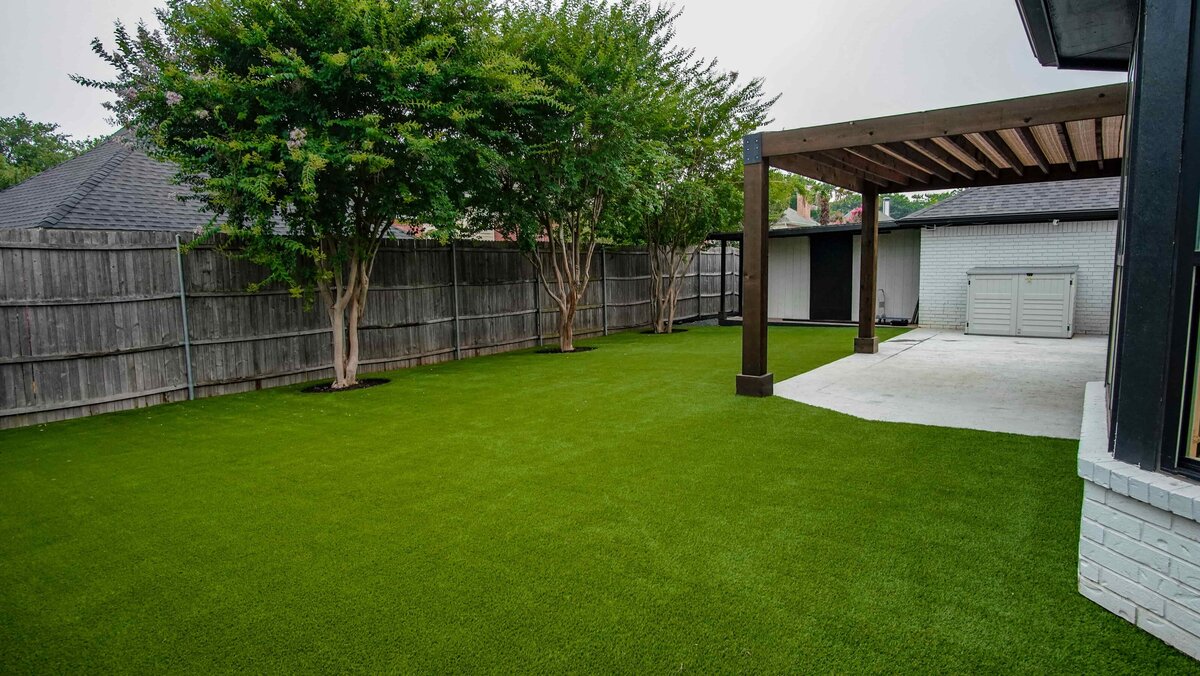
Yes, artificial grass holds up well through Guelph winters. Quality synthetic turf is built to take snow, frost, and repeated freeze-thaw without cracking, fading, or going brittle, and it bounces back green the moment the snow melts. The part that actually decides how a lawn performs in a Guelph January is not the turf itself, it is the base underneath, and that comes down to who installs it and how.
Here is what winter really does to synthetic grass, and how to keep yours looking right from the first snow to the spring thaw.
Does artificial grass survive Ontario winters?
It does. The fibres are made from polyethylene and polypropylene, which stay flexible in the cold and are UV stabilised so they will not bleach out over years of sun and snow. Guelph sits in plant hardiness zone 5b and picks up lake-effect snow that tracks in from Lake Huron and Georgian Bay, so a local lawn can see well over a metre of snow across a season. None of that harms turf that was made for the Canadian market. Snow lands on it, sits on it, and melts off it, and the grass underneath is unchanged.
How snow and ice affect a synthetic lawn
Snow behaves on artificial grass much like it does on any firm surface. It piles up, then drains straight through the perforated backing as it melts because there is a stone base below designed to let water pass. You do not get the mud, ruts, and bare patches that a natural lawn shows every March. Ice is not a problem for the fibres either. A frozen lawn will feel stiff underfoot until it thaws, which is normal and does no damage. The one thing to avoid is walking heavily on turf that is thick with ice, since bending frozen blades hard can mat them down until they warm up and stand back up.
Freeze-thaw and frost heave: why the base matters in Guelph
This is the real story for our climate. Guelph and the surrounding Wellington County countryside sit on clay-loam and Guelph loam soils that hold moisture, and moisture that freezes expands. Over a winter of swinging temperatures, that expansion and contraction is what heaves patios, driveways, and poorly built turf bases. A lawn installed on a shallow or poorly draining base can develop dips and lumps after its first freeze-thaw season. A lawn built on a properly excavated, well-compacted, free-draining aggregate base rides through the same winter flat and firm. When you talk to Artificial Grass Guelph installers, the base spec is the question that matters most for winter durability.
Clearing snow off artificial grass
You often do not have to clear it at all. Most homeowners let snow melt and drain on its own. If you want the lawn usable sooner, a few simple habits keep it safe:
- Use a plastic shovel or a stiff broom for light snow. Metal-edged shovels can catch and tear the fibres.
- Leave a thin layer of snow rather than scraping down to the blades, then let it melt off.
- Skip the snow blower on the lawn itself. It is built for hard surfaces and can grab the turf.
- Do not chip at ice with a shovel or pick. Let it thaw naturally.
Will road salt or de-icer damage the turf?
Standard rock salt does not harm quality synthetic grass, which is a real advantage on Guelph properties where salt spray drifts off the driveway and the road all winter. Salt that a natural lawn would show as brown, dead margins by April simply rinses through turf. If you do use a de-icer on an adjacent walkway, choose a calcium-magnesium or sand-based product over heavy rock salt where you can, and give the lawn a rinse in spring to flush any residue out of the infill. That keeps drainage clear and the fibres clean.
Winter drainage and the Guelph spring melt
Drainage is what separates a turf lawn that shrugs off winter from one that puddles. When snow melts fast during a February thaw or the big March runoff, a good base carries that water down through the stone and away rather than holding it at the surface. On Guelph's clay soils this is exactly why the sub-base excavation is not a place to cut corners. Done right, your lawn is clean, green, and ready to use in spring while the neighbours are still reseeding mud patches, which is the same low-maintenance payoff that makes turf popular for family backyards and pet areas across the city.
Guelph winter turf FAQ
Does artificial grass get damaged by frost and freezing?
No. Quality turf fibres stay flexible and do not crack in the cold. A frozen lawn feels stiff until it thaws, which is normal. The only winter risk is a poor base that heaves on Guelph's clay soils, so a well-drained, well-compacted base is the key.
Can I shovel snow off my synthetic lawn?
Yes, with a plastic shovel or a stiff broom. Avoid metal-edged shovels, snow blowers, and chipping at ice, all of which can tear or mat the fibres. Most homeowners simply let the snow melt and drain through the base on its own.
Will road salt kill my artificial grass like it does a real lawn?
No. Salt spray that browns a natural lawn rinses harmlessly through turf. A spring rinse to flush any de-icer residue out of the infill keeps drainage clear, which is a genuine advantage on salted Guelph driveways and walkways.
Want a lawn built for Guelph winters?
The base is everything up here. Call (548) 490-7821 or request a free estimate and we will spec a properly drained install for your yard.
Get a Free Quote